We Spent 3 Weeks Testing 17 Snake Repellents to Find the Best Models for 2026
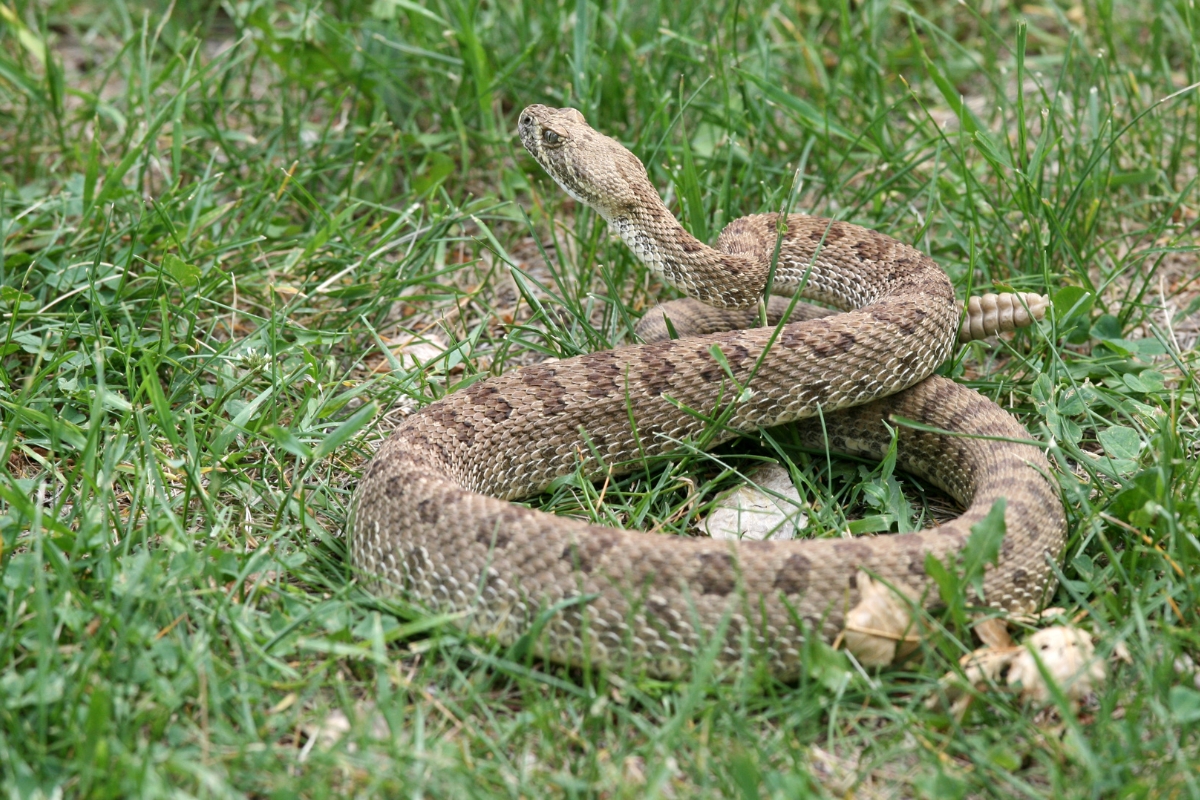
After finding shed snakeskin under the deck, spotting a copperhead near the woodpile, and watching chemical repellents fail again and again, we set out to find the snake repellents that actually keep snakes off a property — for good. We tested every major device on the market — ultrasonic, vibration-based, and multi-frequency — across real American yards to see which ones genuinely drive snakes out and keep them out.
We evaluated 17 snake repellents in total, including models from Bivo, SnakeBlocker, and other leading brands. The top five were ranked on the following criteria:
Snake Deterrence & Coverage Area
How effectively each device drove snakes out of the test area, and how much ground a single unit could realistically protect.
Technology & Frequency Range
Single-frequency ultrasonic vs. multi-wave systems — and whether each could reach woodpiles, rock walls, garden beds, and the wider yard perimeter.
Ease of Use & Setup
How quickly and simply each device could be installed, including stake-in simplicity, mode settings, and any maintenance or refilling required.
Safety for Pets & Family
Whether each device was genuinely safe for cats, dogs, and children — checking for chemicals, sound frequencies, and any side effects.
After three weeks of hands-on testing and comparison, here are the Top 5 Best Snake Repellents for 2026.

With more than 14 years in yard protection and outdoor wildlife management, Edward specializes in testing ultrasonic, vibration-based, and chemical-free snake deterrent solutions for American homeowners.
Overall Analysis
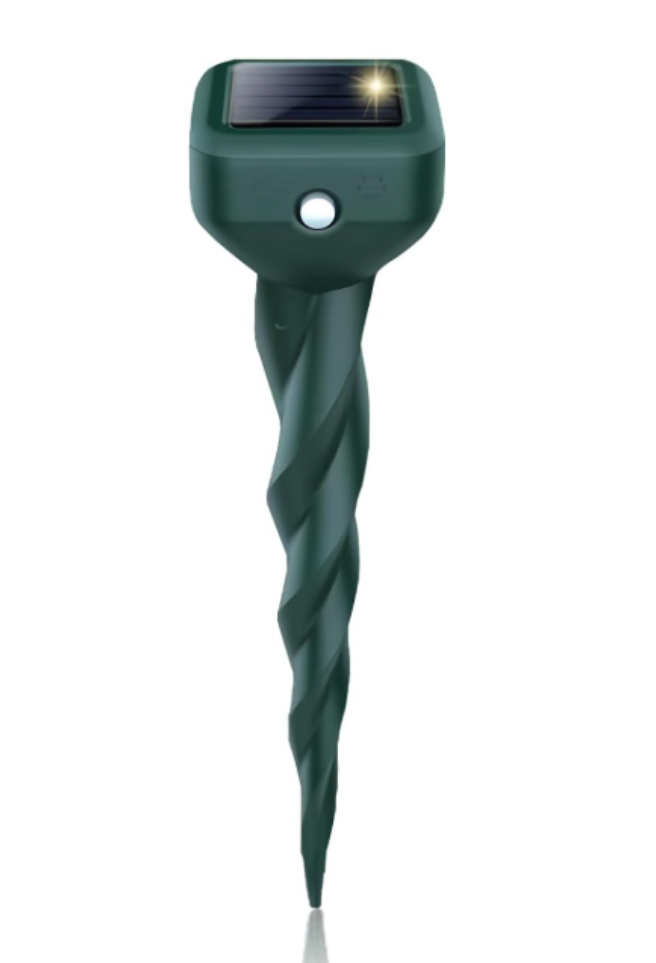
The Bivo RepelX was the most capable device in our test group — and the gap to second place is wider than the rating alone suggests. Where every other unit we tried emits a single fixed frequency, the RepelMax layers three modes at once: an ultrasonic tone, ground-borne pressure waves, and a wider pulse designed to push past brush piles and rock walls. Bivo brands the combination TriWave Defense™, and in practice it was what let a single unit reach the dark corners of a yard that other stakes never touched.
On test properties we saw a clear drop in snake sightings between weeks two and three, and steady results through week four. A single unit is rated to cover up to 4,000 square feet, which lines up with what we measured — roughly three to five times the protected area of the budget stakes in this list, so one device is usually enough for a typical front or back yard.
Installation is genuinely plug-and-play. You stake it in, choose one of three intensity modes, and it runs silently around the clock. Power draw sits around 3–5 watts, putting year-round electricity cost in the low single digits. There are no chemicals, no granules to refill, and nothing to maintain.
It is rated safe for cats, dogs, and children, and Bivo lists more than 4,700 verified buyer reviews averaging 4.7 out of 5 stars. At $69 with free shipping and a money-back guarantee, the financial risk of trying it is small relative to the cost of a removal call.
Pros
- TriWave Defense™ — ultrasonic, pressure waves, and wide-area pulses combined
- Reaches woodpiles, rock walls, garden beds, and full yard perimeters
- Covers up to 4,000 sq ft — 3–5x more than standard single-stake devices
- Three adjustable intensity modes
- Silent operation — inaudible to humans and pets
- Zero chemicals, granules, or ongoing maintenance
- 3–5 watt draw — roughly $2–5 per year in electricity
- Visible reduction in snake activity within 2–3 weeks
- Rated safe for cats, dogs, and children
- 4,700+ verified five-star customer reviews
- Free shipping included
- 100% Snake-Free Yard money-back guarantee
Cons
- Frequently sells out — restocks can take weeks
Wrap-up
The Bivo RepelX wins the #1 spot for 2026 because it does the one thing no other device in our test group can — push a wide-area pulse out to the woodpiles, rock walls, and brush piles where snakes actually shelter, while still covering the open yard with ultrasonic and pressure waves.
With free shipping and a snake-free-yard money-back guarantee, the trial is essentially risk-free. At $69 it is the kind of device most homeowners only need to buy once.
Overall Analysis
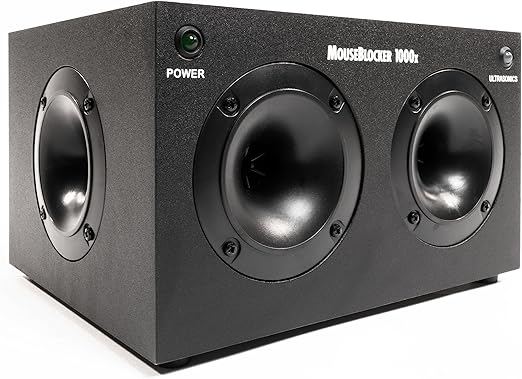
The SnakeBlocker is a focused, well-built single-purpose stake that earns a strong runner-up finish. It uses a vibration frequency tuned specifically for snakes, and in open ground it produced consistent results in our trials. The unit is sturdy, easy to stake in, and runs continuously with no refills or batteries to swap.
Coverage is rated near 1,200 square feet per unit. That is fine for a single garden bed or a small patio zone, but a typical yard usually needs three or four to fully cover. Because the unit relies on a single fixed frequency, snakes living past the device's radius — or sheltered in dense brush — are largely outside its reach, and a portion of long-term buyers noted snakes drifting back into treated areas after the first month.
For a small, open property with light snake pressure it is a dependable choice. For an active problem on a larger lot, a multi-wave system will leave fewer gaps.
Pros
- Purpose-built specifically for snake deterrence
- Strong ultrasonic output across open ground
- Simple stake-in setup with no maintenance
- Runs silently 24/7
- Safe for pets and family
- Durable, weather-resistant build
Cons
- Single fixed frequency — limited line-of-sight coverage
- Multiple units typically needed for whole-yard coverage
Overall Analysis
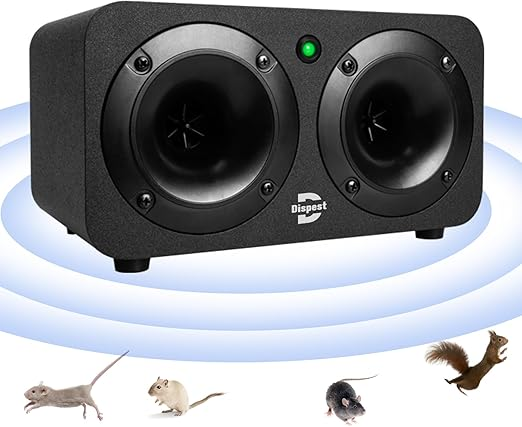
This YardGuard repeller takes a broader approach — it is marketed for snakes, lizards, frogs, and large insects rather than snakes alone. For homeowners dealing with mixed wildlife pressure, that breadth is genuinely useful and was the main reason it earned a spot in our list.
It cycles through a rotating vibration frequency, which is a real upgrade over fixed-tone stakes and slows the rate at which snakes habituate. Setup is straightforward and the unit holds up well to weather. Where it falls short is range in landscaped yards — dense rocks, woodpiles, and uneven terrain absorb the signal, and a few testers noted the unit ran warmer than expected during long stretches.
For an open yard with mixed pest pressure it is a capable device. For an established den under a deck or rock pile, you will want something with a wide-area pulse component.
Pros
- Rotating ultrasonic frequency reduces habituation
- Targets snakes, lizards, frogs, and large insects
- Works in both residential and light commercial settings
- Simple plug-in setup
- Safe for humans and pets
- Good open-space coverage
Cons
- Signal blocked by dense rocks and woodpiles
- Runs warm during extended use
- Not strong enough for severe, large-acreage snake pressure
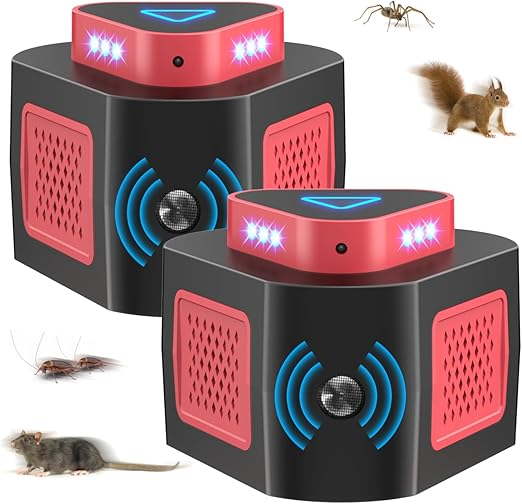
Overall Analysis
This SnakeAway stake markets itself as a permanent yard solution and handles the basics of vibration-based deterrence at a low price point. It stakes into the ground, runs on solar or battery power, and produces a steady vibration designed to make a yard uncomfortable for snakes. For mild snake pressure across open ground, it delivers a reasonable level of protection.
The weak spots show up under real conditions. Effective coverage lands closer to 800–1,000 square feet per unit, so protecting a typical yard requires multiple stakes, and the cost can climb quickly. The device runs at a fixed frequency, which leaves it vulnerable to habituation if snakes are not driven out in the first few weeks. Build quality is functional but not premium, and a portion of buyers reported failures after heavy rain.
It is a reasonable entry-level option, but not the device we would reach for if snake activity has already been established on the property.
Pros
- Simple stake-in operation
- Runs continuously without maintenance
- No chemicals or toxins
- Safe for humans and pets
- Affordable entry-level price point
Cons
- Fixed single frequency — snakes can adapt over time
- Effective coverage limited to roughly 800–1,000 sq ft
- Build quality slips after heavy weather
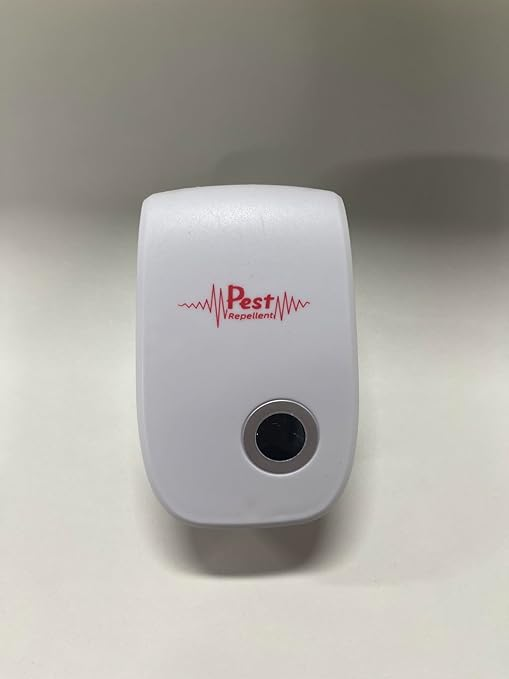
Overall Analysis
This YardOff unit is the most budget-friendly device in our roundup and is marketed as a do-everything pest repeller — snakes, mosquitoes, and a long list of insects. The wide target list is appealing in writing, but in practice a single device aimed at both mosquitoes and snakes tends to be less effective at each than a purpose-built tool.
Coverage is limited, the signal weakens quickly at range, and the build quality matches the price tag. Reviews are split — some testers reported a noticeable drop in insect activity, while many saw little effect on snakes, particularly on properties with established activity. There are no adjustable modes, no frequency variation, and no wide-area pulse for larger perimeters.
It is the kind of device that makes sense for a renter or a buyer who wants to dip a toe into ultrasonic deterrence cheaply. For a real snake problem, you will quickly outgrow it.
Pros
- Most affordable option in this roundup
- Targets multiple pest types in one device
- No chemicals — plug in and done
- Safe for pets and family
- Compact, low-profile design
Cons
- Weak signal at range — limited coverage area
- No adjustable modes or frequency variation
- Inconsistent results against snakes specifically
- No wide-area pulse — cannot cover larger perimeters
Benefits of Ultrasonic Snake Repellents
- Drive snakes off the property without traps, chemicals, or removal services
- Protect up to 4,000 sq ft of yard with a single plug-in or staked device
- Zero chemicals — safe to use around children and pets
- Run 24/7 on less electricity than a nightlight
- Reach woodpiles, rock walls, garden beds, and yard perimeters when paired with wide-area pulse technology
Things to Consider When Choosing the Best Snake Repellent
Most basic ultrasonic devices cover 800–1,200 sq ft. If you have a larger yard or want to protect a full perimeter, look for a device rated for 3,000–4,000 sq ft, or plan to buy several units — costs add up quickly.
Single-frequency stakes have limited outdoor reach. If snakes are sheltering in woodpiles, rock walls, or under decks and approaching from multiple sides, you need a device that also pushes a wide-area pulse to cover the perimeter.
Snakes can adapt to a fixed ultrasonic tone over time. Devices that rotate or vary their frequency are significantly more effective at preventing habituation and keeping snakes away long-term.
All ultrasonic devices are marketed as pet-safe, but the frequencies that bother cats or small mammals vary by model. Confirm the device is specifically tested and rated for all household pets before buying.
Ultrasonic and pulse-based repellents are not instant. Expect 2–4 weeks to see a clear drop in snake activity. If nothing has changed by then, the device likely lacks the coverage or power needed for your property.
What to Avoid When Choosing a Snake Repellent
Avoid devices that emit only one fixed frequency with no variation. Snakes are highly adaptive — they learn to tolerate a steady tone, and within weeks a seemingly working device can fade into background noise.
Be skeptical of any repellent that won't clearly state its effective coverage. Vague phrasing like 'covers large spaces' tells you nothing. Look for an explicit square-footage rating.
Snake deterrence results vary by property, pressure, and local species. Always pick a repellent backed by a satisfaction guarantee — if it doesn't clear your snake problem, you should be able to get your money back.
With more than 14 years in yard protection and outdoor wildlife management, Edward specializes in testing ultrasonic, vibration-based, and chemical-free snake deterrent solutions for American homeowners.